Built for skeptical operators

Practical AI systems for traditional service businesses.

We help operators find the first AI workflow worth fixing, launch a focused pilot, and scale what works without starting with a vague transformation program.

  • Fixed-fee diagnostic
  • 10-business-day delivery window
  • Pilot recommendation tied to measurable business impact

Trust signal

Fixed-scope first engagement

Clear deliverables, clear working boundaries, no open-ended consulting sprawl.

Trust signal

Audit to pilot to rollout

A controlled delivery path that expands only after one workflow proves itself.

Trust signal

Operator-first implementation

Built for workflow adoption, human review, and measurable business logic.

Trust signal

Process-backed proof

Reporting templates, artifact discipline, and proof bundles are already defined.

Why this exists

Most companies know AI matters. Few know where it should start.

Teams are testing tools in isolation, leaders are hearing big promises without clear ROI, and nobody wants to fund a broad initiative before one workflow proves itself. Roy narrows the first move to a commercially sensible audit and a focused pilot.

Common conditions we see

  • Lead response is inconsistent or slow.
  • Proposal, reporting, or onboarding work depends on key people.
  • Teams have tried AI tools but lack a rollout path.
  • Leadership wants evidence before funding broader change.

Commercial path

Start with a decision product. Expand only after the first workflow proves its value.

01

AI Opportunity Audit

Review one workflow area, rank the best AI opportunities, and leave with a pilot recommendation you can actually act on.

02

AI Pilot Sprint

Implement one high-value workflow in a short execution window with clear owners, metrics, and operating logic.

03

Managed Transformation Retainer

Scale proven workflows into repeatable systems, reporting, and team enablement across the business.

How it works

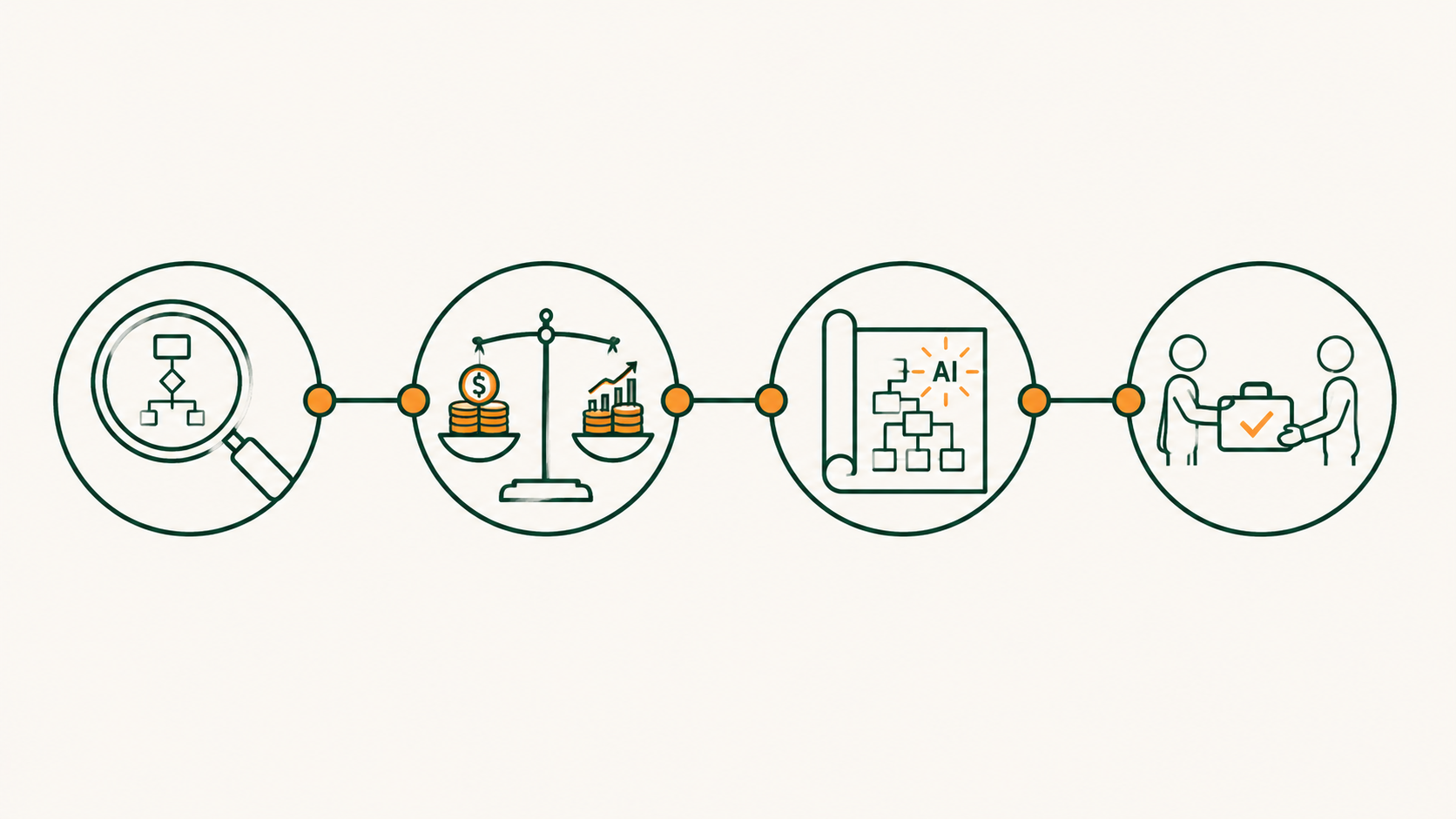
A controlled path from uncertainty to operating change.

  1. Review the bottleneck

    Understand the business problem, current workflow, and handoff constraints.

  2. Score the opportunities

    Prioritize the AI use cases that are commercially sensible and operationally realistic.

  3. Recommend one pilot

    Define the owner, success metrics, timeline, and implementation assumptions.

  4. Launch and expand

    Roll out only after the first workflow proves its value and can be measured cleanly.

Best first wins

The strongest first AI result is usually a repeatable workflow, not a flashy experiment.

Lead qualification and response

Help teams respond faster without sacrificing human judgment.

Sales follow-up support

Draft structured follow-up with review built into the workflow.

Reporting and insight generation

Reduce recurring reporting drag and surface the signal that matters.

Proposal production acceleration

Move founder-heavy drafting into a more consistent operating process.

Internal knowledge retrieval

Make recurring answers and context easier for teams to access safely.

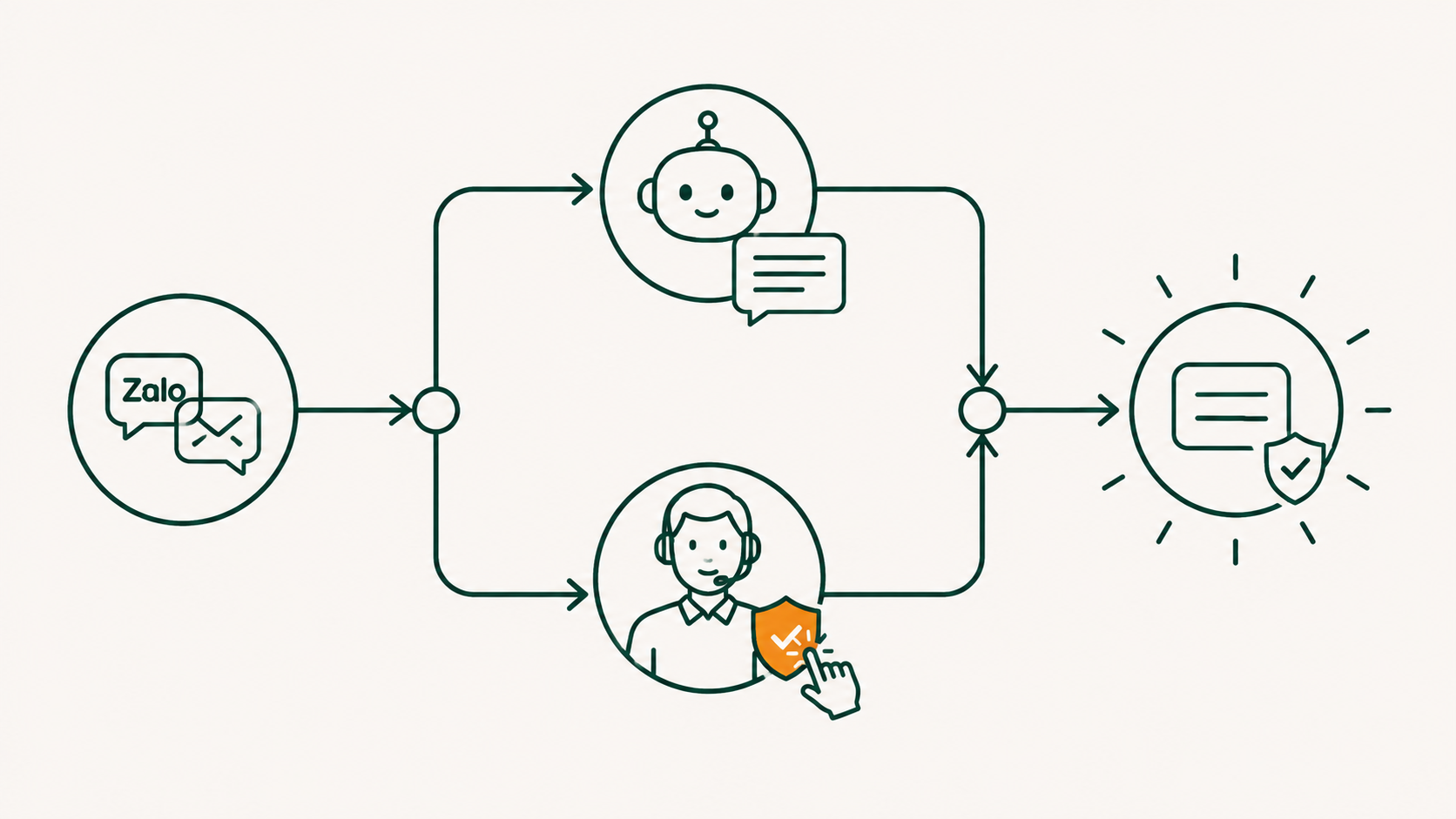
Customer inquiry triage

Route routine requests faster while keeping escalation and review explicit.

Proof posture

Use only proof that can be defended today.

The first engagement is tightly scoped

The AI Opportunity Audit is a fixed-fee, fixed-window engagement designed to produce one prioritized recommendation instead of a vague strategy deck.

  • One workflow area
  • Up to five stakeholder interviews
  • Ranked opportunity shortlist
  • One proposal-ready pilot recommendation

The delivery model is already structured

Discovery inputs, workflow capture, KPI baselines, pilot design, reporting cadence, and proof-bundle templates are already defined.

  • Audit deliverable outline
  • Pilot charter template
  • Weekly executive report shell
  • Proof repository structure

Proof is process-backed, not logo-backed

Until named case studies exist, Roy shows the rigor of the delivery system rather than inventing social proof.

  • No fabricated testimonials
  • No unverified ROI claims
  • No client logos without approval
  • Clear labeling for sample artifacts

Designed for skeptical operators

The offer is built for traditional service businesses that need plain language, practical implementation, and clear commercial logic before expanding AI usage.

Review proof and delivery artifacts

Objections handled

Questions buyers ask before saying yes.

Why start with an audit instead of implementation?

The audit creates a low-risk decision point. Buyers get clarity on the best workflow to tackle next before spending on a broader build.

How quickly can we expect a recommendation?

The standard delivery window is 10 business days once access and interviews are scheduled.

Do we need an internal technical team?

No. The first phase is workflow diagnosis and pilot definition, not a large implementation program.

How do you choose the first workflow?

Roy scores the opportunity based on business impact, feasibility, workflow volume, and trust constraints.

How do you handle operational and data risk?

Risk is surfaced as part of the audit. Human review, approval points, and data sensitivity are explicit in the recommendation.

What happens after the audit?

If the pilot path is credible, Roy can move into a focused pilot sprint. If not, the buyer still leaves with a clear decision and documented logic.

Ready to start

Start with one workflow that is worth proving.

Book the audit to get a prioritized recommendation, a pilot path, and a clearer basis for investment.

Book your audit